Total Lunar Eclipse, September 7, 2026: How to Watch India’s Next Blood Moon
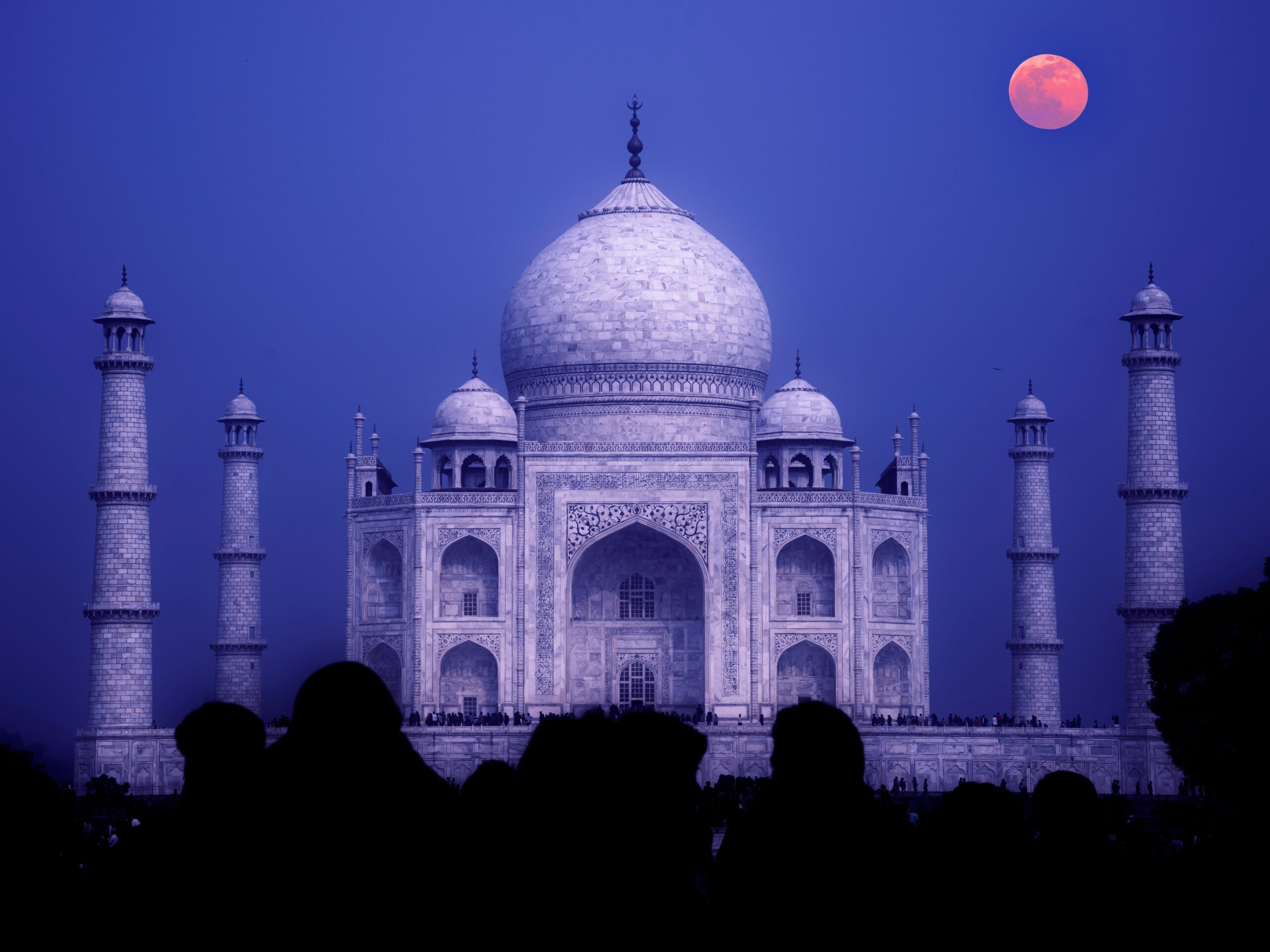
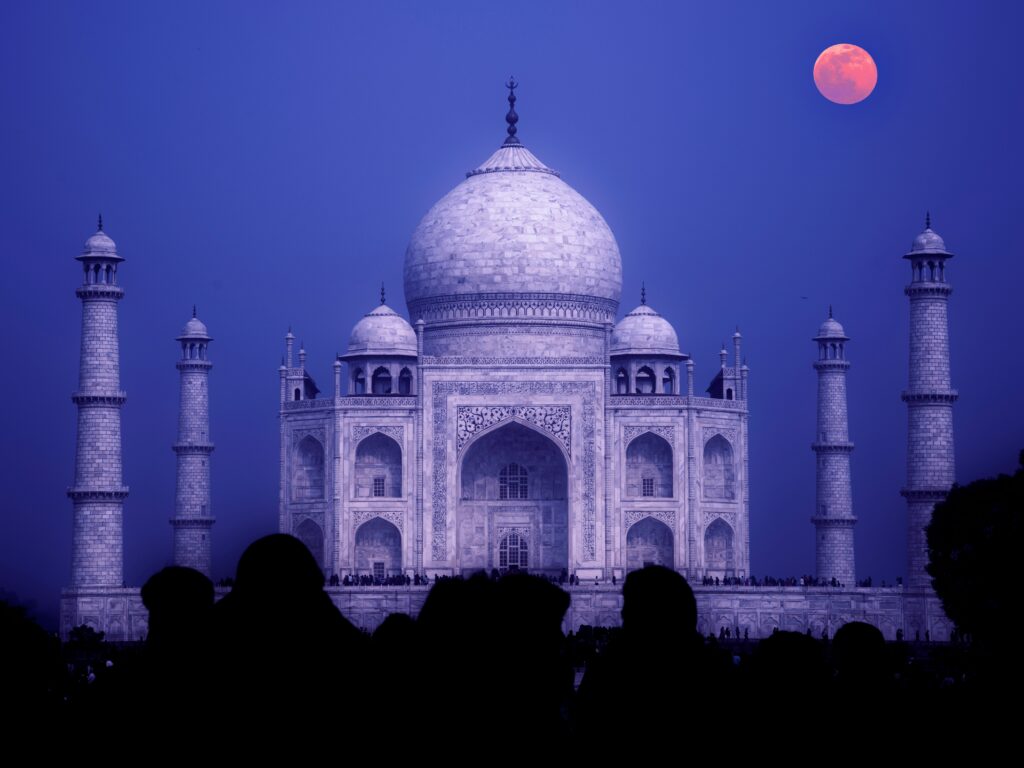
Mark your calendar — on September 7, 2026, the Moon will pass fully into Earth's shadow in a total lunar eclipse visible from India, turning a deep coppery red in what's popularly known as a "Blood Moon." Unlike a solar eclipse, this is one of the safest and most rewarding sky events anyone can watch — no special filters, no protective glasses, and no equipment required, though a telescope transforms the experience from memorable to unforgettable.
This guide covers what's actually happening in the sky, how to watch it properly, and how to get the most out of the night whether you're observing alone, with family, or running a school viewing session.
1. Why the Moon Turns Red
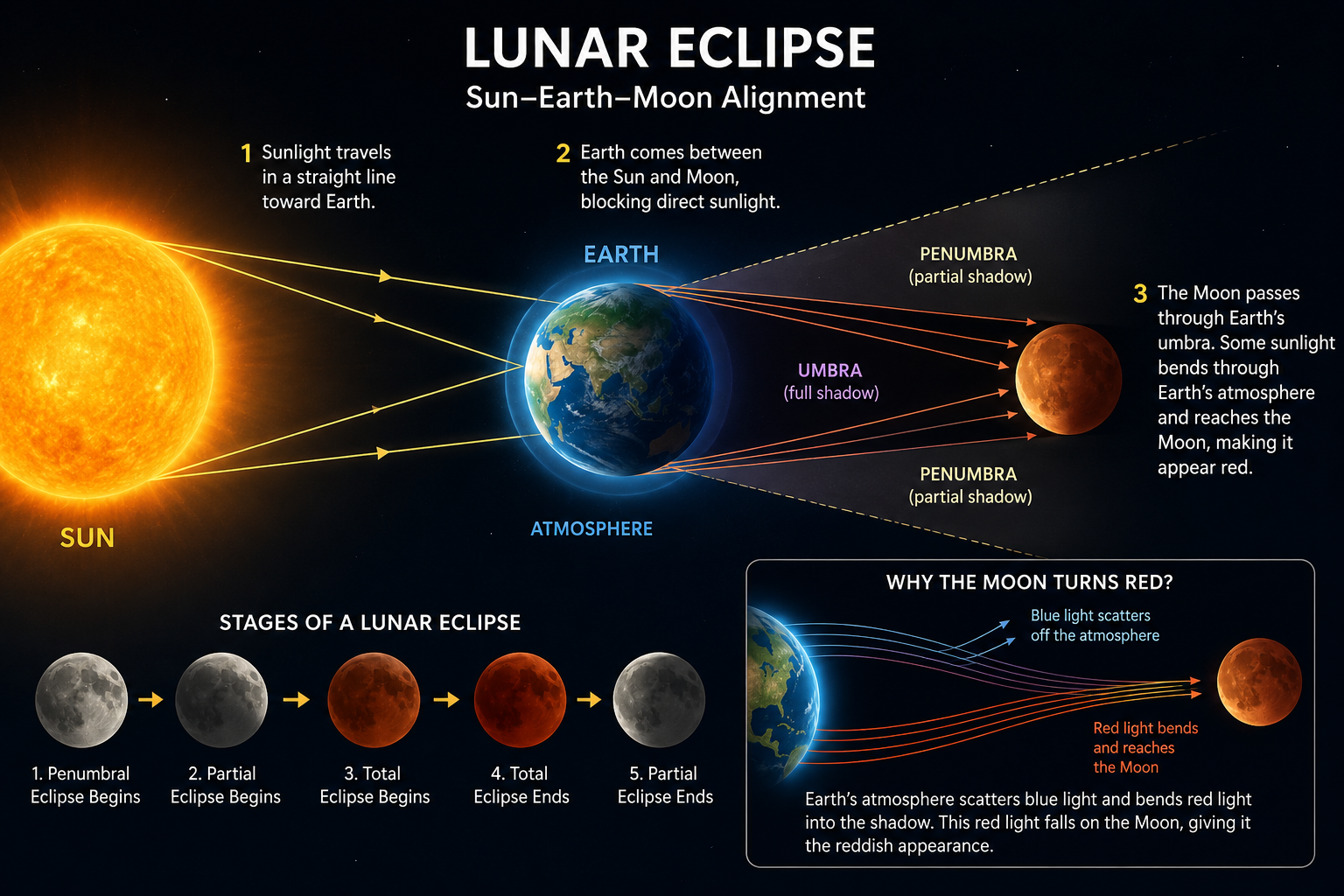
During a total lunar eclipse, Earth positions itself directly between the Sun and the Moon, blocking the Sun's direct light from reaching the lunar surface. But Earth's atmosphere doesn't block light perfectly — it bends a portion of sunlight around the edge of the planet and onto the Moon. This is the exact same physical process that makes sunsets and sunrises glow red and orange on Earth: blue wavelengths of light scatter away in the atmosphere, while red and orange wavelengths bend through and continue onward.
The result is that the only sunlight reaching the Moon during totality has effectively been filtered through every sunrise and sunset happening on Earth at that moment, giving the lunar surface its distinctive rust-red glow. The exact shade — anything from a dim brick red to a bright orange-copper — depends on how much dust and cloud cover is in Earth's atmosphere on the night itself, which is part of what makes every eclipse look slightly different.
Although McClintock says he remembers coming across the lorem ipsum passage in a book of old metal type samples. So far he hasn’t relocated where he once saw the passage, but the popularity of Cicero in the 15th century supports the theory that the filler text has been used for centuries. And anyways, as Cecil Adams reasoned, “[Do you really] think graphic arts supply houses were hiring classics scholars in the 1960s?” Perhaps. But it seems reasonable to imagine that there was a version in use far before the age of Letraset.
2. The Timeline of the Night
A total lunar eclipse unfolds slowly, over several hours, rather than happening all at once:
- Penumbral phase begins — the Moon enters the outer, fainter part of Earth's shadow. This stage is subtle and often hard to notice with the naked eye.
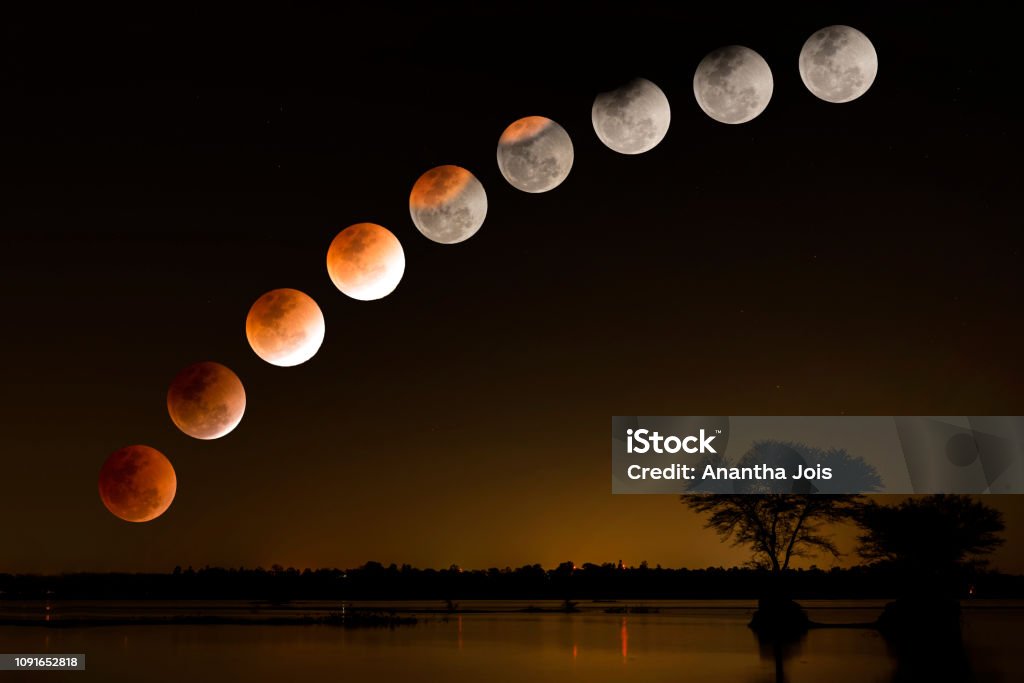
- Partial eclipse begins — Earth's darker inner shadow starts visibly creeping across the lunar disc, like a bite being slowly taken out of the Moon.
- Totality — the Moon is fully within Earth's shadow and takes on its full red colouration. This is the main event, and typically lasts for a period of roughly an hour, though exact durations vary eclipse to eclipse.
Partial and penumbral phases in reverse -the shadow retreats and the Moon gradually returns to its normal bright white appearance.
The partial phases before and after totality are genuinely worth watching too — the sight of Earth's curved shadow creeping across a familiar, fully-lit Moon is a rare, direct visual proof that we live on a sphere, something textbooks can only illustrate.
3.How to Watch It Properly
- Find an open view of the sky. Ideally somewhere without tall buildings blocking the horizon in the direction the Moon will be positioned. Unlike faint deep-sky observing, you don't need a dark-sky location far from the city — a rooftop, terrace, or open ground works perfectly well.
- Start early. Step outside before totality begins so you can watch Earth's shadow gradually creep across the Moon — this build-up is part of what makes the event feel dramatic rather than sudden.
- Use a telescope or binoculars for real detail. At even modest magnification, you'll be able to make out individual craters and the dark lunar "seas" (mare) glowing red during totality — details completely invisible to the naked eye.
- Skip the filters — none are needed. Unlike solar eclipses, lunar eclipses are completely safe to observe directly, with the naked eye, binoculars, or a telescope, at every stage.
- Bring a notebook or a camera on a tripod. The Moon's exact colour and brightness shift noticeably through totality. Recording what you see (or a simple long-exposure photo) makes for a great before-and-after comparison, and a genuinely good classroom activity if you're running a school viewing session.

Planning a Group or School Viewing Session
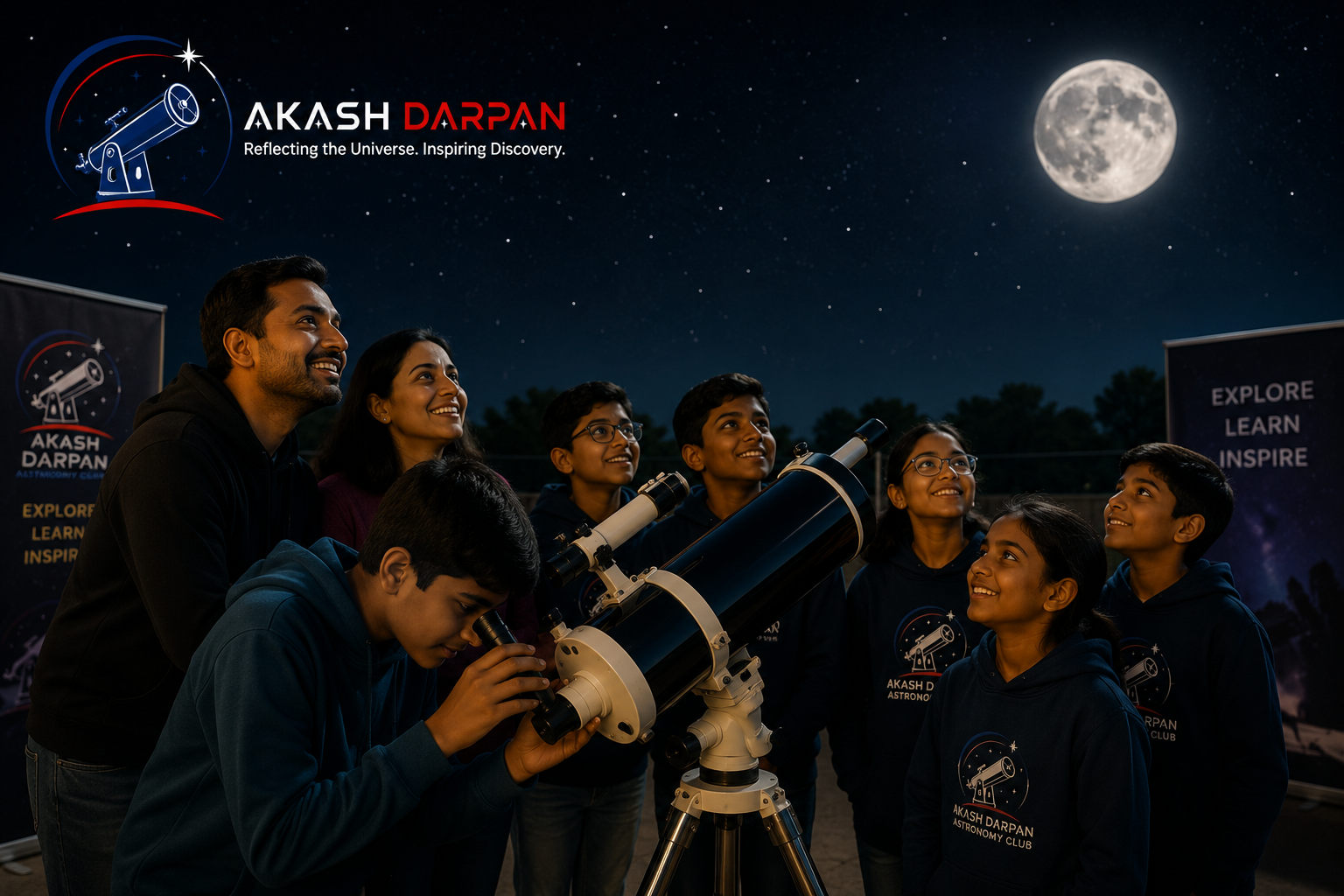
A lunar eclipse is one of the easiest astronomical events to build a group program around, for a few practical reasons: it requires no protective equipment (unlike a solar eclipse), the exact timing is known well in advance, and it naturally holds attention for the hour or more that totality lasts.
If you're a teacher, science club coordinator, or CSR program lead considering a public or student viewing event for September 7, keep these points in mind:
- Confirm local moonrise and eclipse timing for your specific city closer to the date, since exact times shift slightly by location.
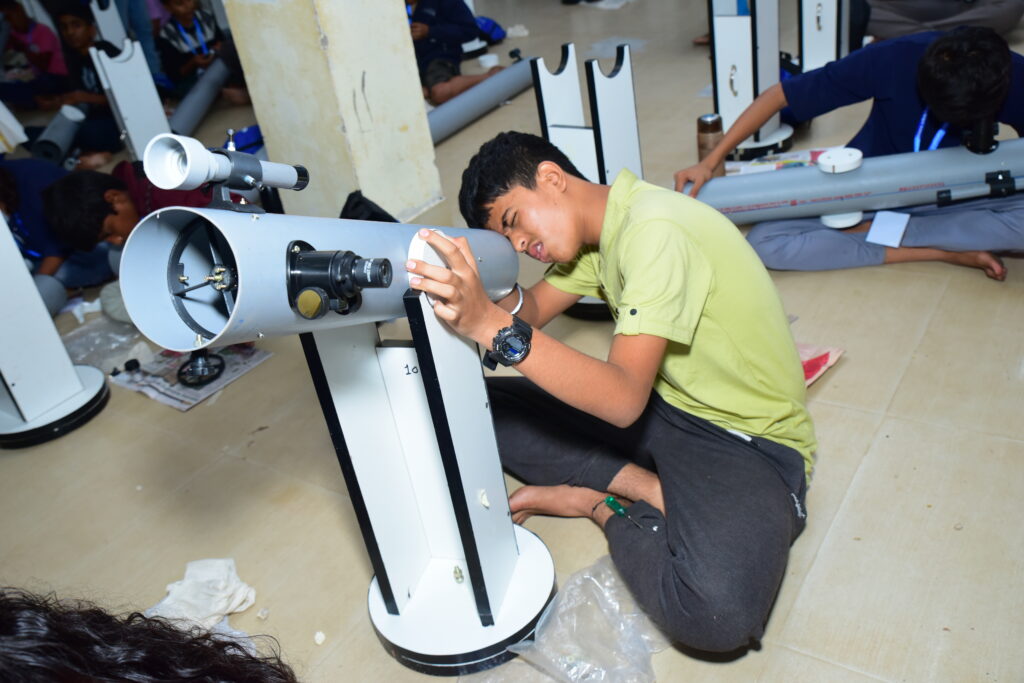
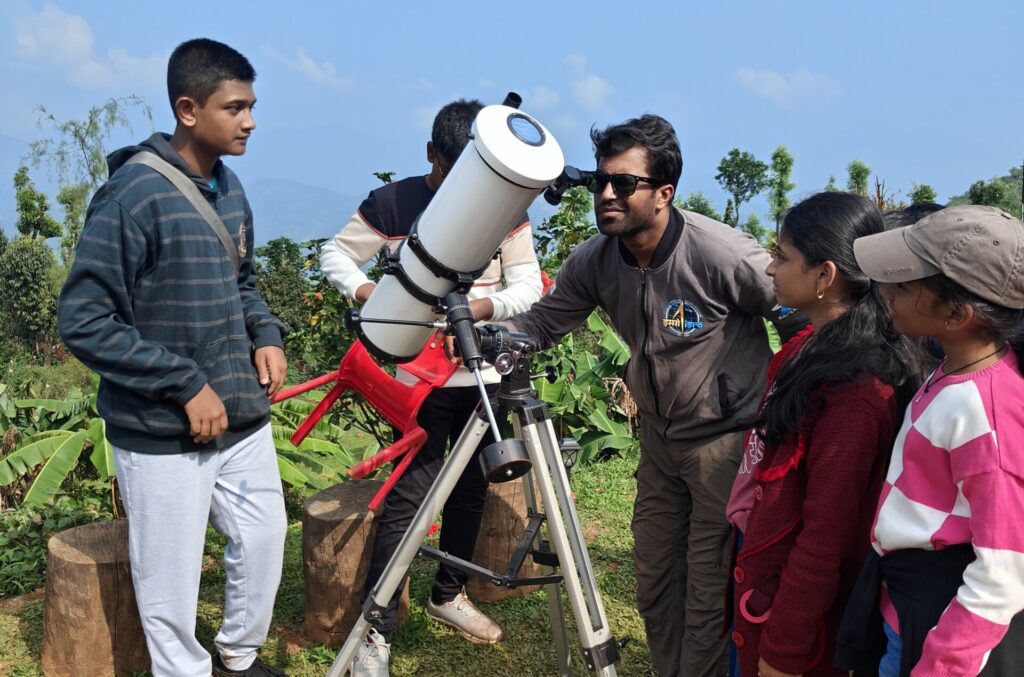
- Set up 2-3 telescopes if you're expecting a larger group, so viewing lines move quickly and interest doesn't fade waiting for a turn.
- Pair the observation with a short explanation of why the Moon turns red beforehand — students retain the experience far better when they understand the mechanism before they see it happen.
Which Telescope Is Right for Eclipse Viewing?
Because you're observing the Moon — a bright, close, high-contrast target — you don't need a large aperture to get a spectacular view. Our Beginner and Intermediate Telescopes are more than capable of showing crisp crater detail and the full range of colour during totality. If you already own an Akash Darpan telescope, September 7 is the perfect night to put it to serious use.
Planning a public viewing event, school program, or astronomy club gathering for the eclipse? Our Institutional Solutions team can help you organize a properly equipped, telescope-assisted viewing session.