Geminid Meteor Shower: The Best Meteor Shower of the Year
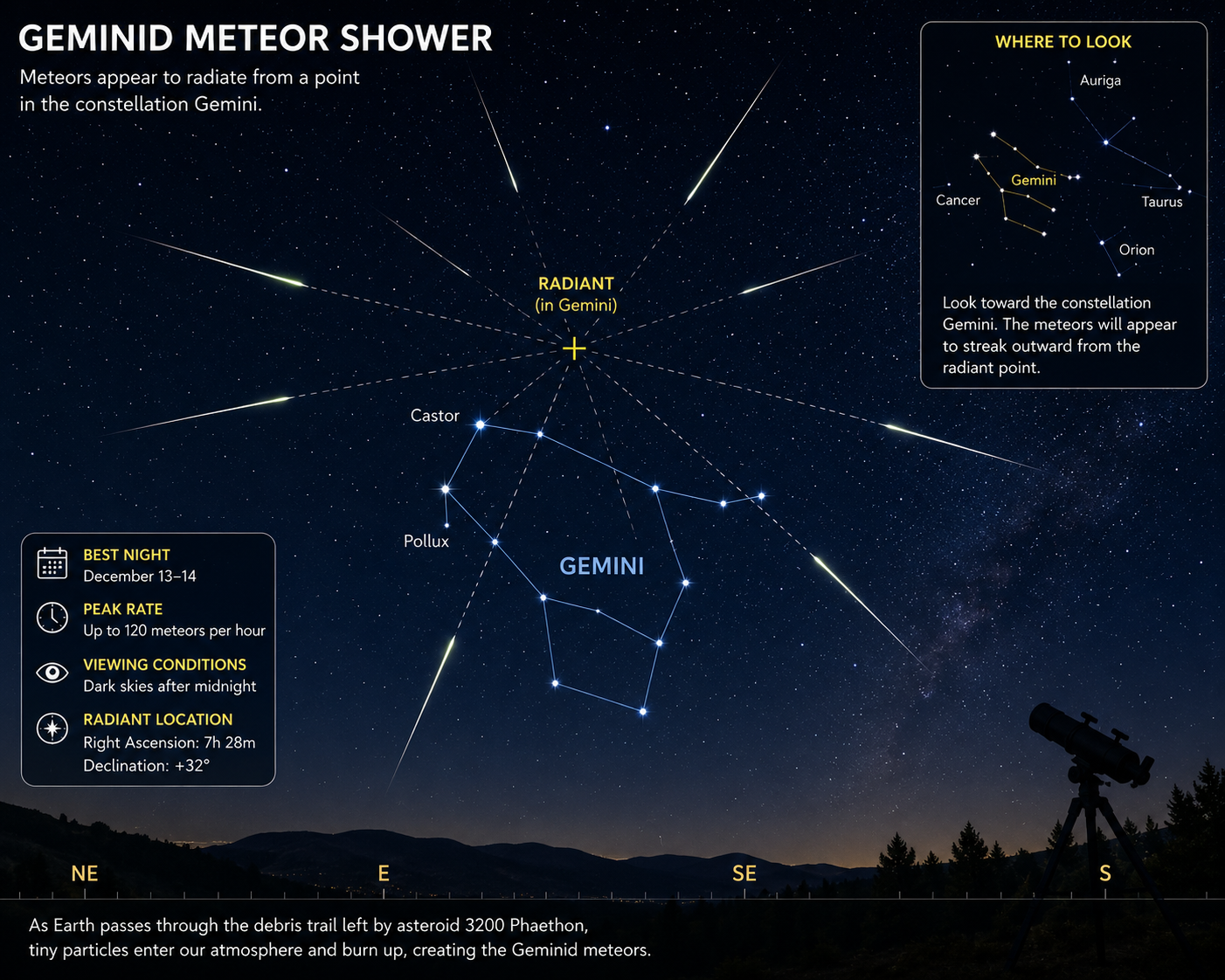
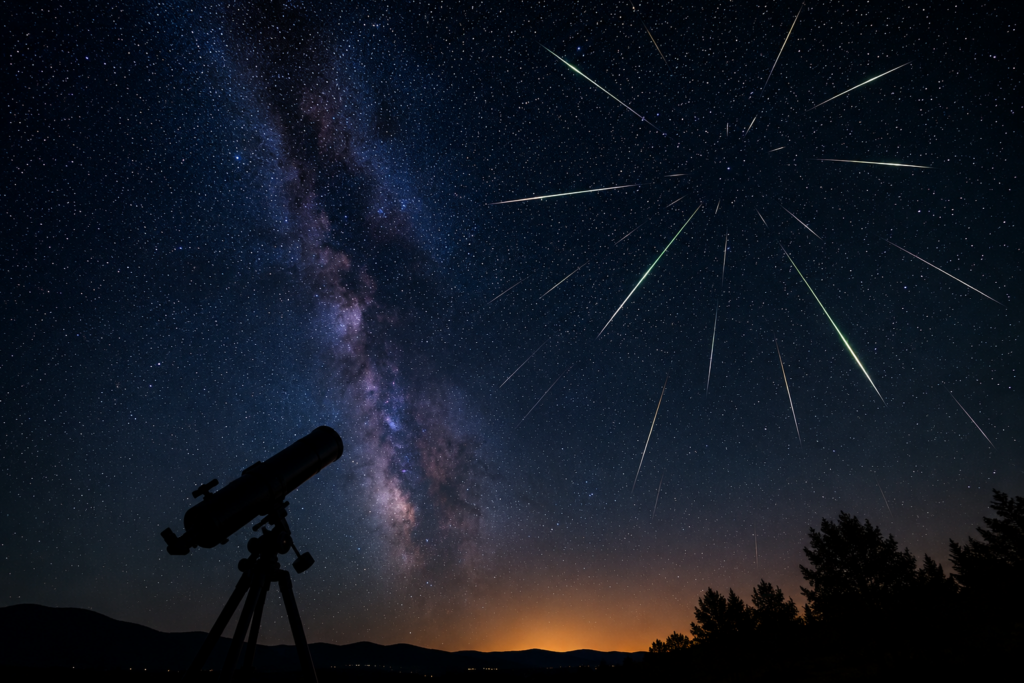
Ask experienced skywatchers to name the single best meteor shower of the year, and most will say the same thing: the Geminids. Peaking every year around the night of December 13 to 14, the Geminid meteor shower regularly produces up to 120 meteors per hour under ideal dark-sky conditions at its peak — more than almost any other annual shower, including the more famous Perseids of August.
Unlike most meteor showers, which reward only dedicated night-owls with a handful of streaks after midnight, the Geminids are generous enough, and active early enough in the evening, to be a genuinely good event for families, students, and anyone who doesn't want to stay up until 3 a.m. Here's everything you need to know to watch it properly.
1. What Makes the Geminids Different
Most meteor showers are produced by debris left behind by comets — icy bodies that shed a trail of dust and small particles as they pass close to the Sun. Earth ploughs through these debris trails at the same point in its orbit every year, and the resulting bits of comet dust burn up in our atmosphere as meteors.
The Geminids are unusual because their source isn't a comet at all — it's an object called 3200 Phaethon, discovered in 1982 and classified as an asteroid, though its behavior (shedding a visible dust trail) blurs the line between asteroid and comet. This "rock comet" origin is part of what makes the Geminids scientifically interesting, and it's also linked to why Geminid meteors tend to be brighter, slower, and more colourful than average — many appear distinctly yellow, green, or blue-white as they streak across the sky.
When and Where to Look
- Peak night: Typically December 13 to 14 each year, though it's worth confirming the exact date closer to the time, since it can shift by a day depending on the year.
- Best viewing window: The Geminids are active from roughly 9-10 p.m. onward, picking up steadily through the night and typically reaching their highest rates between midnight and 2 a.m., though unlike many showers, meaningful activity often begins well before midnight — making this a realistic shower for younger children and earlier bedtimes.
- Where to look: Meteors appear to radiate from a point near the constellation Gemini, which rises in the east during early evening and climbs high overhead by midnight from most of India. You don't need to stare fixedly at Gemini itself, though — meteors streak across wide areas of the sky, so a comfortable view of as much open sky as possible works best.
- Moon conditions matter. A bright Moon washes out fainter meteors, so check the Moon's phase for that year's peak night as it approaches — a dark or minimally-lit sky dramatically improves how many meteors you'll actually spot, even at the shower's peak rate.
2. How to Watch a Meteor Shower Properly
Meteor showers are unusual among sky events in one important way: a telescope is the wrong tool for watching them. Telescopes and binoculars magnify a small patch of sky — exactly the opposite of what you want, since meteors can streak across almost any part of the sky at any moment. Instead:
- Get away from bright lights. Streetlights, phone screens, and even a bright porch light will wash out all but the brightest meteors. A dark garden, terrace, or open field away from direct lighting makes a dramatic difference.
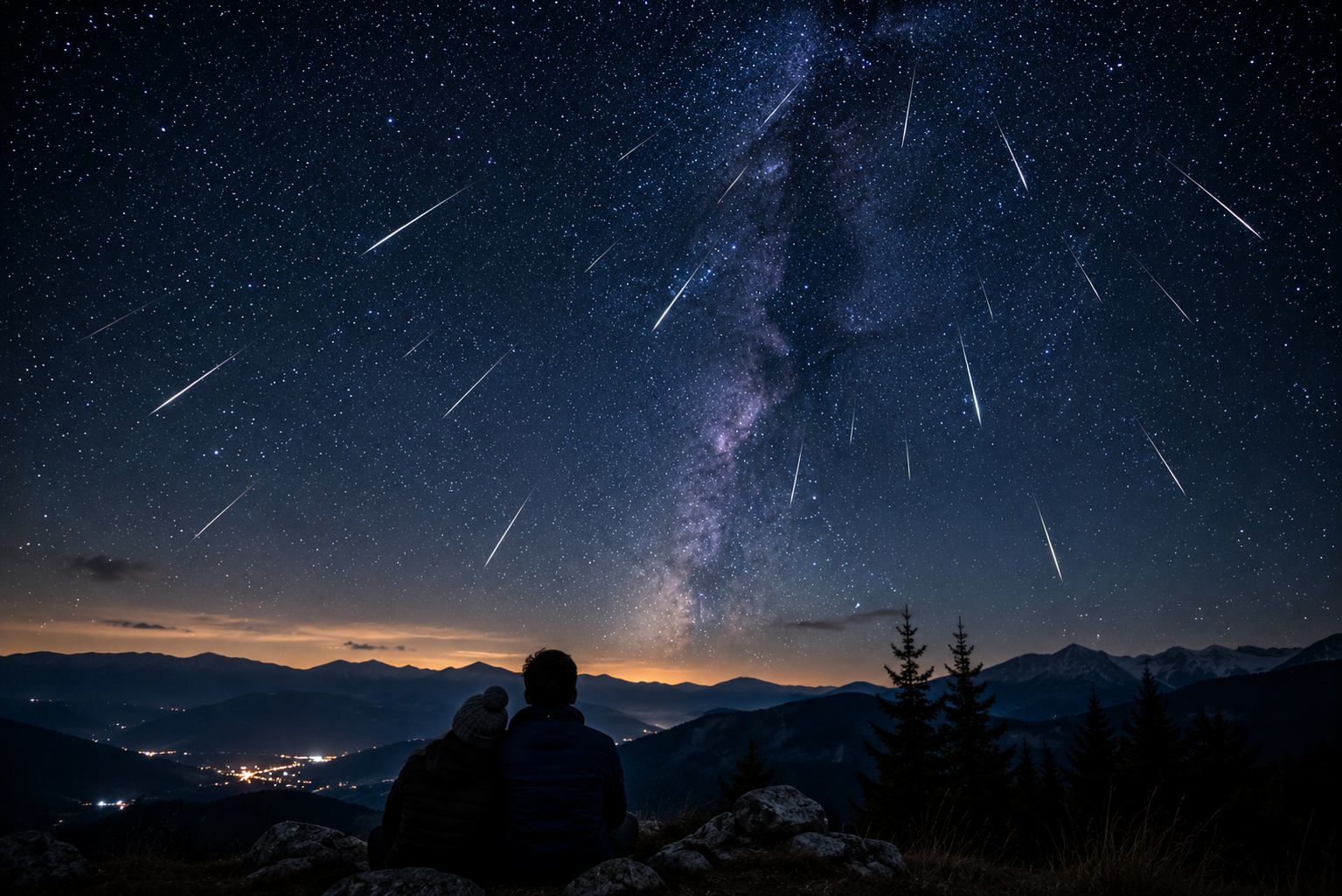
- Lie back or recline, and look up at a wide expanse of sky. A reclining chair, blanket on the ground, or even a car bonnet works well — the goal is comfort, since good meteor watching means looking upward for extended stretches.
- Give your eyes 15-20 minutes to adapt to the dark. Avoid checking your phone during this time — even a quick glance at a bright screen resets your night vision and costs you several more minutes of adaptation.
- Be patient. Meteor rates are quoted as an hourly average under ideal conditions; you won't see one every 30 seconds like clockwork. Settling in for at least 45 minutes to an hour gives you a realistic chance to enjoy the shower properly rather than judging it after five minutes.
- Dress warmer than you think you'll need. December nights can be surprisingly cold for extended stargazing, especially lying still for an hour or more — a blanket, warm drink, and layered clothing go a long way.
3. A Great Event for Schools and Astronomy Clubs
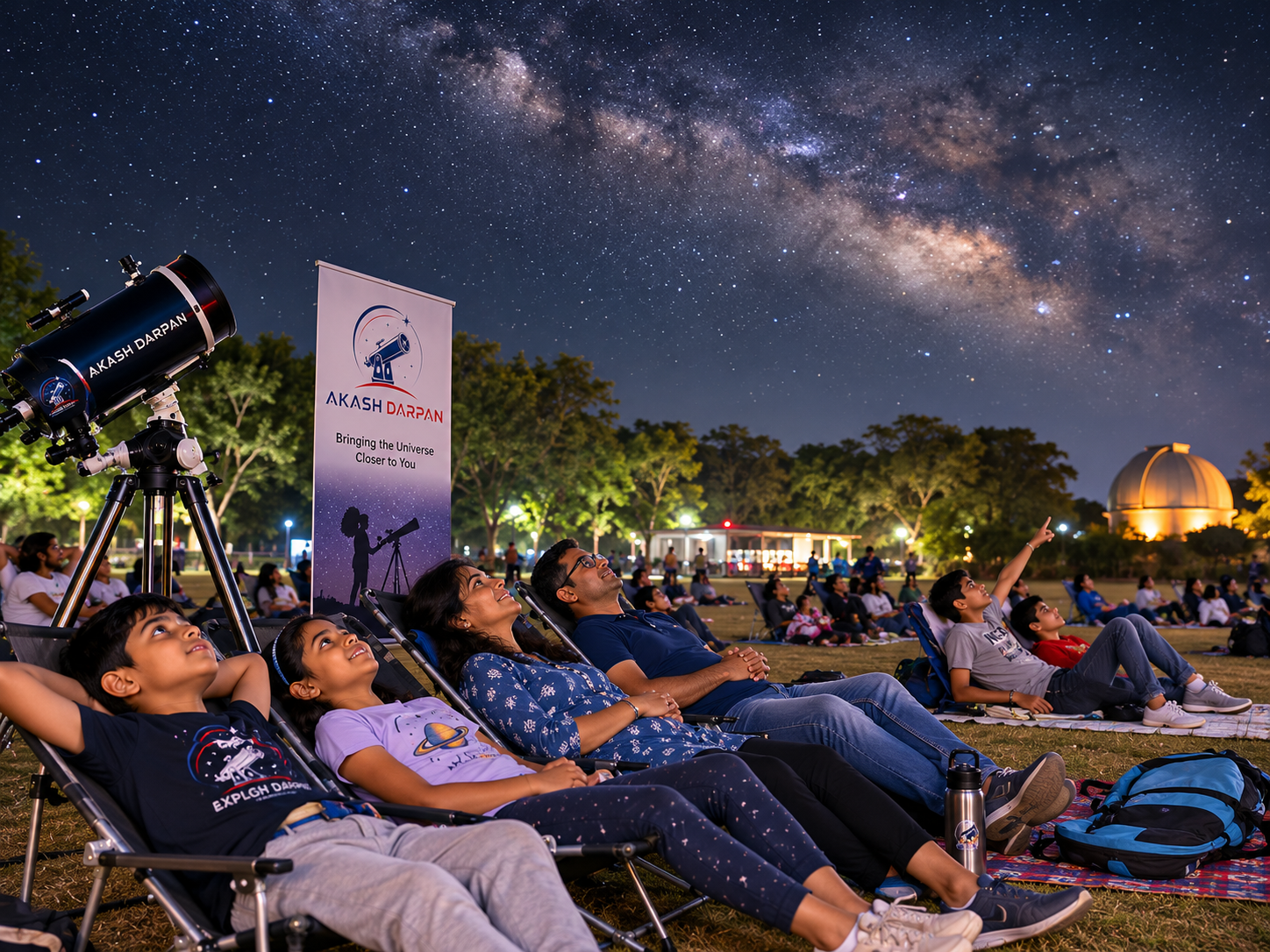
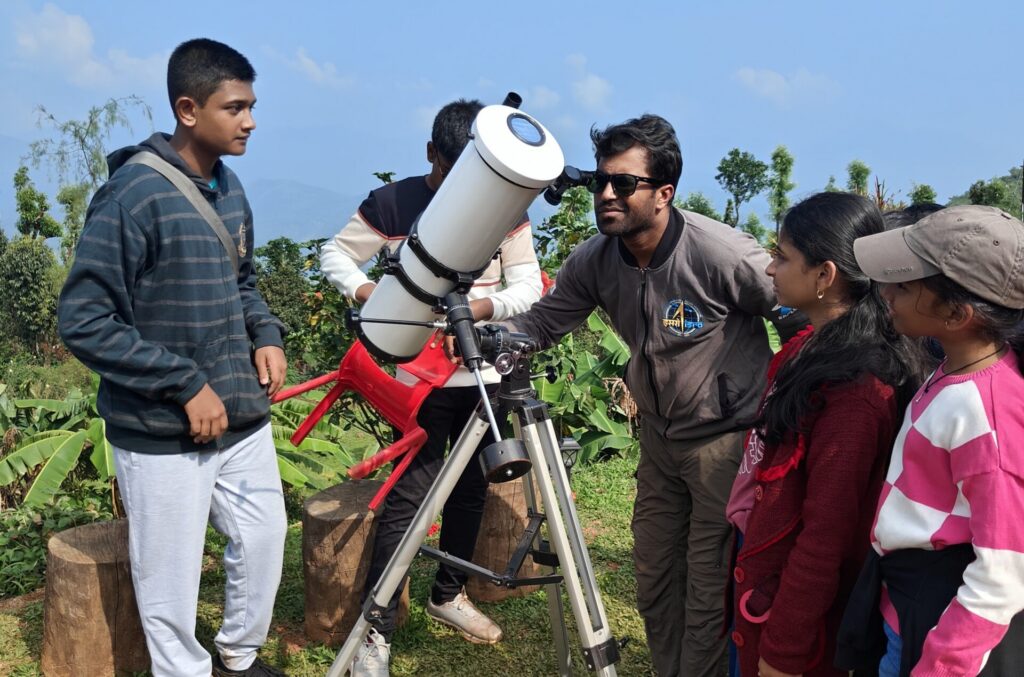
Because the Geminids are active from relatively early in the evening and don't require any equipment at all, they're one of the easiest meteor showers to build an accessible school or community stargazing event around — no need to keep students out until 2 a.m. to see genuinely good activity. Pair the naked-eye meteor watching with a telescope set up nearby for viewing the Moon or a bright planet during quieter stretches between meteors, and you've got a well-rounded evening program that keeps a group engaged even during the inevitable lulls.
Do You Need a Telescope for This?
Not for the meteors themselves — but a Beginner or Intermediate Telescope is a great addition to a Geminids viewing evening, giving you and your group something rewarding to look at during the gaps between meteors, whether that's a clear view of the Moon, Jupiter, or Saturn rising alongside the shower.
Planning a Geminids viewing night for your school, club, or community group? Our Institutional Solutions team can help you plan a full evening program, and our Beginner Telescopes range is a great companion for the quieter moments between meteors.